

Slow drains are a common household inconvenience, but they can also signal a more serious plumbing issue lurking beneath the surface. While a slow-moving drain might seem like a minor annoyance at first, ignoring the problem can lead to costly repairs and extensive damage. Understanding the potential causes of slow drains and addressing them early can save homeowners time, money, and frustration.
In this article, we’ll explore the most common causes of slow drains, how to identify hidden plumbing issues, and what you can do to keep your plumbing system running smoothly.
Common Causes of Slow Drains
Clogged Pipes
One of the most frequent reasons for slow drains is a clog somewhere in the plumbing system. Clogs can develop from everyday debris such as hair, soap scum, grease, and food particles accumulating inside the pipes. Over time, these obstructions can restrict water flow, leading to sluggish drainage.
Tree Root Intrusions
Tree roots naturally seek out moisture, and if there are even the smallest cracks in underground pipes, roots can infiltrate them. As they grow, they create blockages and potentially damage the pipes, causing slow drainage and, in severe cases, complete pipe failure.
Pipe Corrosion and Scale Buildup
Older pipes, especially those made from galvanized steel, are prone to corrosion and mineral buildup. Hard water deposits and rust can accumulate inside pipes, reducing their diameter and restricting water flow. If left unchecked, this can lead to extensive plumbing issues, including leaks and pipe bursts.
Vent Pipe Blockages
Plumbing vent pipes help regulate air pressure in the drainage system, allowing wastewater to flow freely. If these vents become blocked by debris, nests, or ice in colder climates, drainage efficiency can be compromised, leading to slow drains throughout the home.
Sewer Line Problems
A slow drain in multiple areas of your home could indicate a more significant issue with the sewer line. Sewer line blockages can be caused by grease buildup, tree roots, or foreign objects lodged within the pipe. In some cases, the sewer line may have collapsed due to shifting soil or aging infrastructure.
Signs That Your Slow Drain Might Be a Bigger Problem
Multiple Slow Drains
If more than one drain in your home is experiencing slow drainage, it could be a sign of a more widespread plumbing issue, such as a blockage in the main sewer line.
Foul Odors
Unpleasant odors coming from drains can signal sewer line problems, bacterial growth, or trapped debris. If the smell resembles sewage or rotting food, it’s best to have a professional plumber investigate the issue.
Gurgling Noises
Gurgling sounds coming from drains or toilets indicate air trapped in the pipes. This can be caused by a clog, a blocked vent pipe, or a sewer line issue.
Water Backups
Water backing up into sinks, bathtubs, or floor drains is a major red flag. It can indicate a severe blockage in the drainage system that requires immediate attention to prevent flooding and water damage.
Frequent Clogs
If you’re constantly dealing with clogged drains, the problem may go beyond a simple blockage. Persistent clogs often point to an underlying issue that needs to be professionally diagnosed and repaired.
How to Prevent Slow Drains
Be Mindful of What Goes Down the Drain
Avoid flushing or washing down items that can cause clogs, such as grease, coffee grounds, hair, and food scraps. Use drain strainers to catch debris before it enters the pipes.
Schedule Regular Drain Cleaning
Routine drain cleaning by a professional plumber can help keep your pipes clear of buildup and prevent major blockages. Hydro jetting is an effective method for removing stubborn debris and restoring pipe flow.
Inspect Your Plumbing System
Periodically inspecting your plumbing system can help catch small issues before they escalate. Look for signs of leaks, slow drainage, and unusual odors.
Avoid Chemical Drain Cleaners
While chemical drain cleaners may provide a quick fix, they can also damage your pipes over time. Opt for safer alternatives, such as a mixture of baking soda and vinegar, or contact a plumber for professional drain cleaning services.
Install Water Softeners
If your home has hard water, installing a water softener can help prevent mineral buildup in pipes, extending their lifespan and improving water flow.
What to Do If You Have a Slow Drain
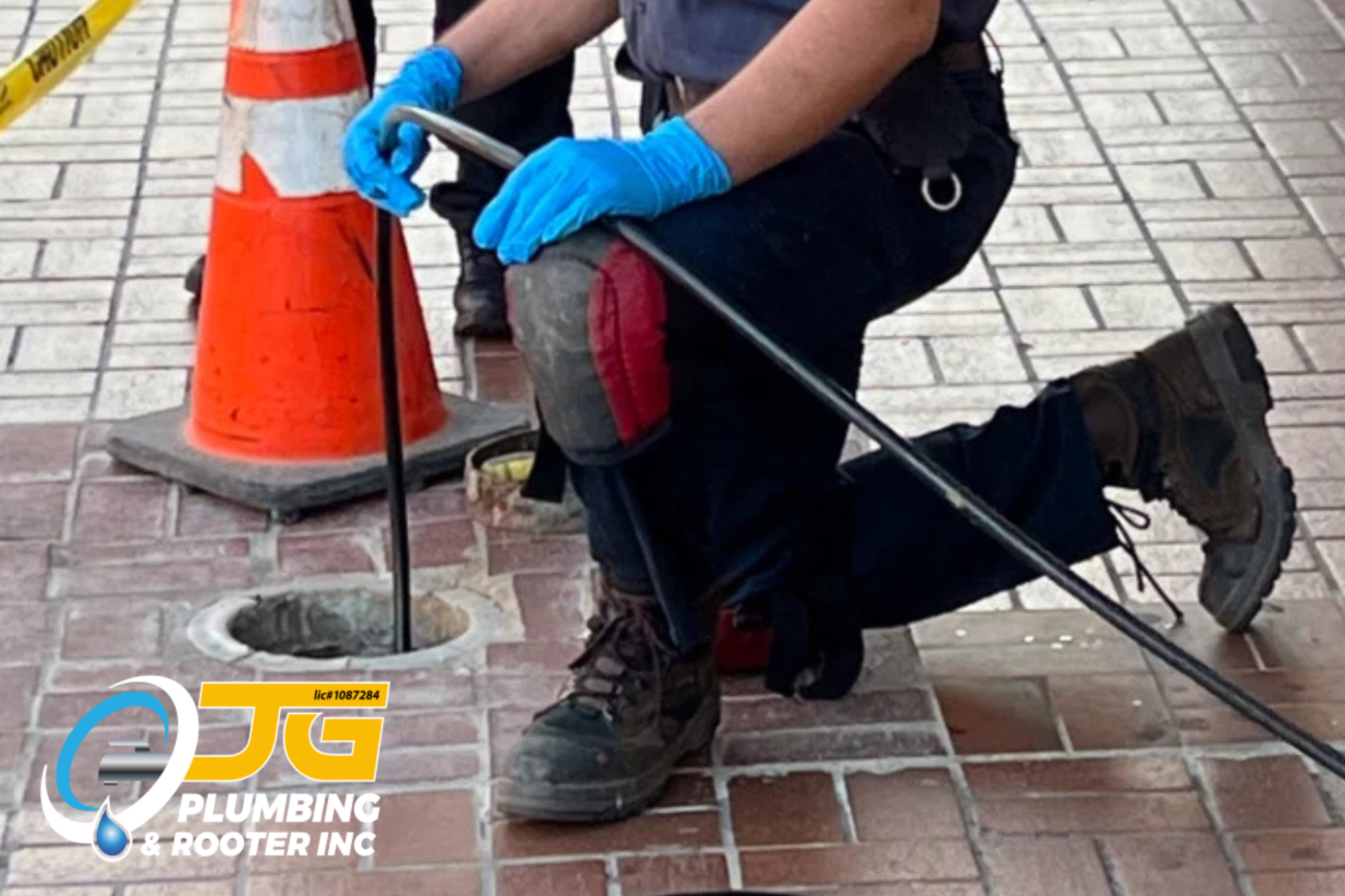
Try a Plunger or Drain Snake
For minor clogs, using a plunger or drain snake can help dislodge the blockage and restore normal drainage. However, if the problem persists, professional intervention may be needed.
Use a Natural Drain Cleaner
A mixture of baking soda and vinegar can help break down minor clogs without harming your pipes. Pour one cup of baking soda down the drain, followed by one cup of vinegar. Let it sit for about 15 minutes before flushing with hot water.
Call a Professional Plumber
If DIY methods don’t resolve the issue, it’s time to call a professional plumber. A licensed Azusa plumber can diagnose the root cause of the slow drain and provide effective solutions, whether it’s drain snaking, hydro jetting, or pipe repairs.
Conclusion
Slow drains should never be ignored, as they can indicate hidden plumbing issues that may worsen over time. Whether it’s a minor clog, tree root intrusion, or a more severe sewer line problem, addressing slow drains promptly can help prevent extensive damage and costly repairs. By practicing good drain maintenance habits and seeking professional Azusa plumbing services when needed, homeowners can ensure their plumbing system remains in top condition.
About JG Plumbing & Rooter
JG Plumbing & Rooter is a trusted provider of Azusa plumbing services, offering reliable solutions for residential and commercial properties. Our experienced team specializes in drain cleaning, sewer line repair, hydro jetting, leak detection, water heater services, and more. If you’re searching for expert plumbers to handle slow drains or any other plumbing concerns, we are here to help. Contact JG Plumbing & Rooter today for high-quality plumbing services and expert assistance.